Research
& Book
From PhD to Book: Bearing Witness Through Animation
My RCA PhD, Bearing Witness: Autoethnographic Animation and the Metabolism of Trauma, explores how animation can serve as a therapeutic intervention for psychological trauma. This multi-disciplinary inquiry combines arts-based research, cognitive science, and lived experience, and establishes a methodology that bridges academic rigour and creative practice. The research is being developed into a book with Routledge (forthcoming 2027).
2013
•
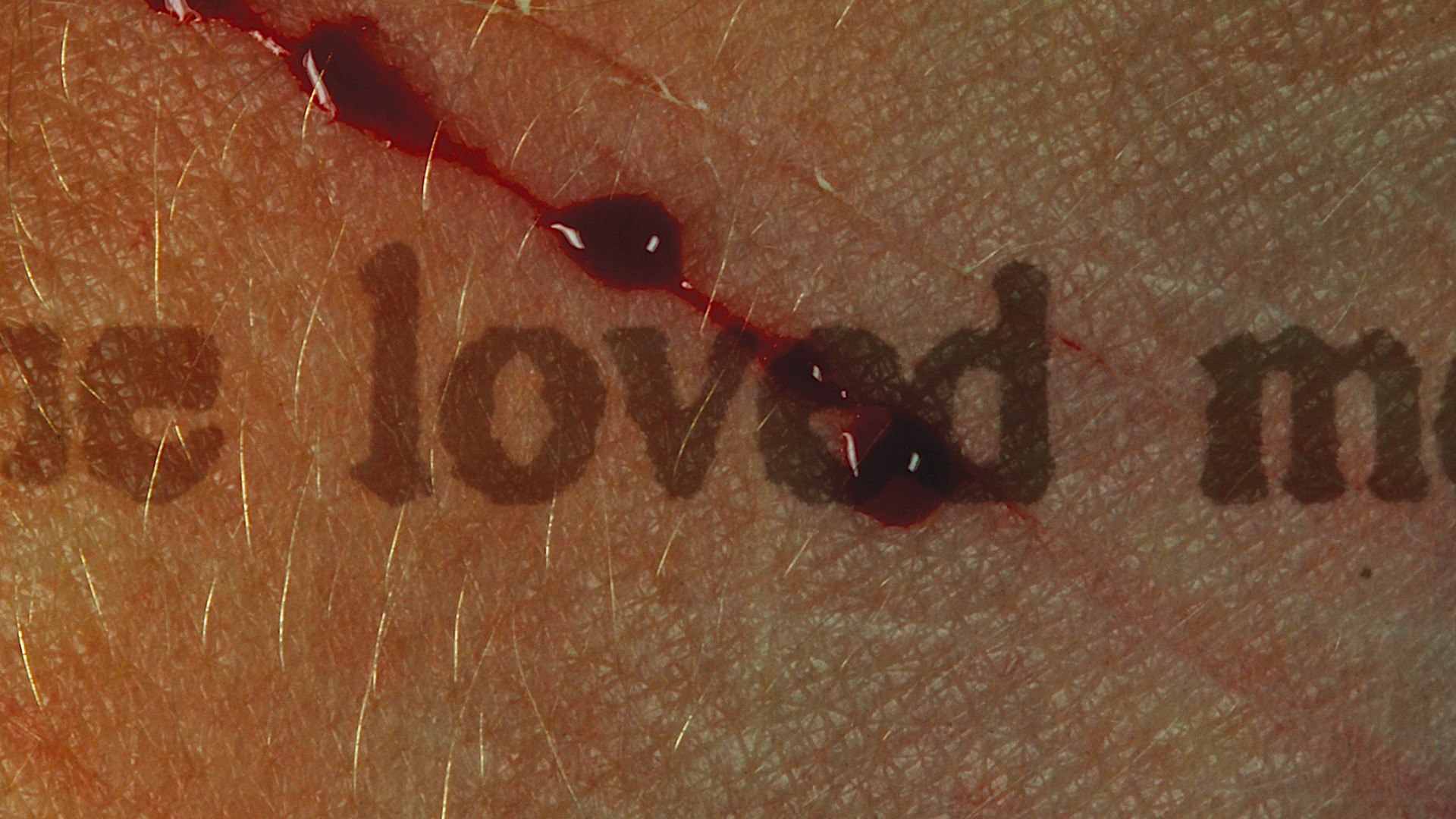
Composite frame from It Started With a Murder

2015
•
still from the betrayal
My research began with a question: could animation help process my own traumatic injuries and PTSD? This evolved into a formal academic inquiry that explores whether animation's visuospatial attributes, imagery rescripting possibilities, and capacity for bearing witness, could moderate trauma symptoms in myself and others experiencing psychological injury.
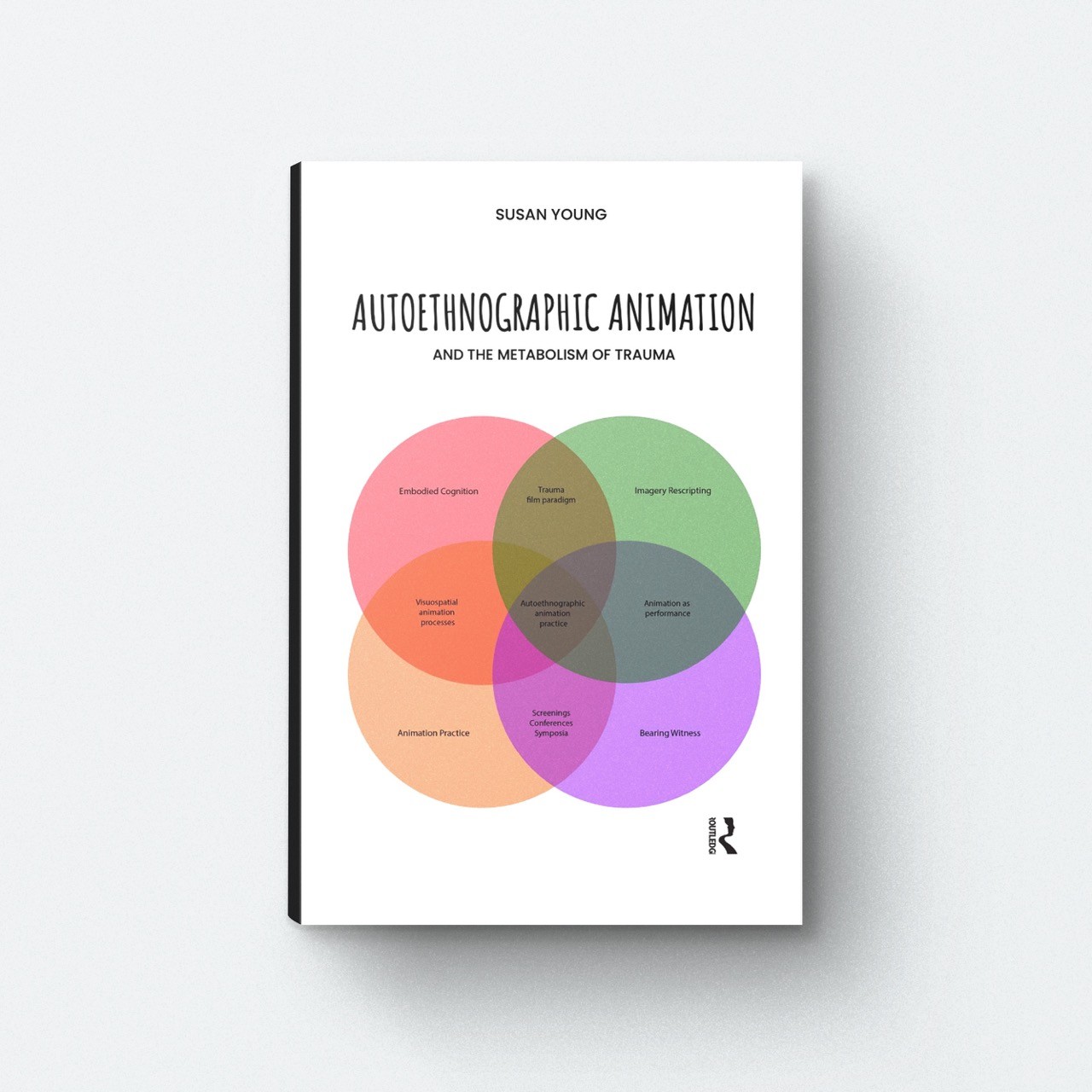
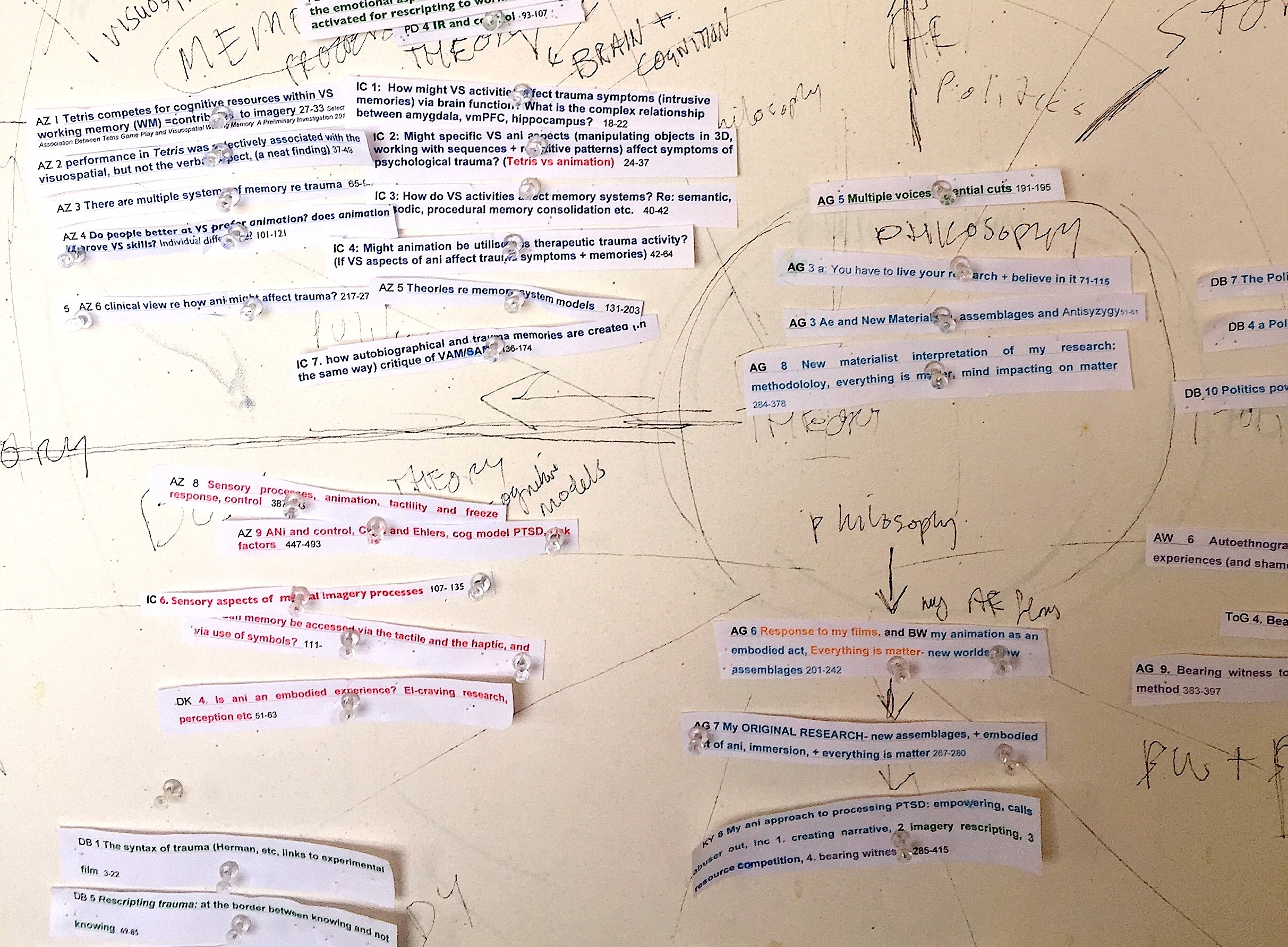
The methodology integrates cognitive science research into intrusive memories (studies show that visuospatial processes like Tetris gameplay can reduce trauma symptoms), with an agential realist philosophical framework, and autoethnographic practice (using personal experience to examine social, cultural, and political issues). The output includes a written text incorporating thematic analysis of interviews with animators, therapists, clinicians, scientists, and an autoethnographer, and two animated experiments that use my medicolegal and psychiatric records as source material.
2019
•
Research methodology flow chart
The methodology in practice
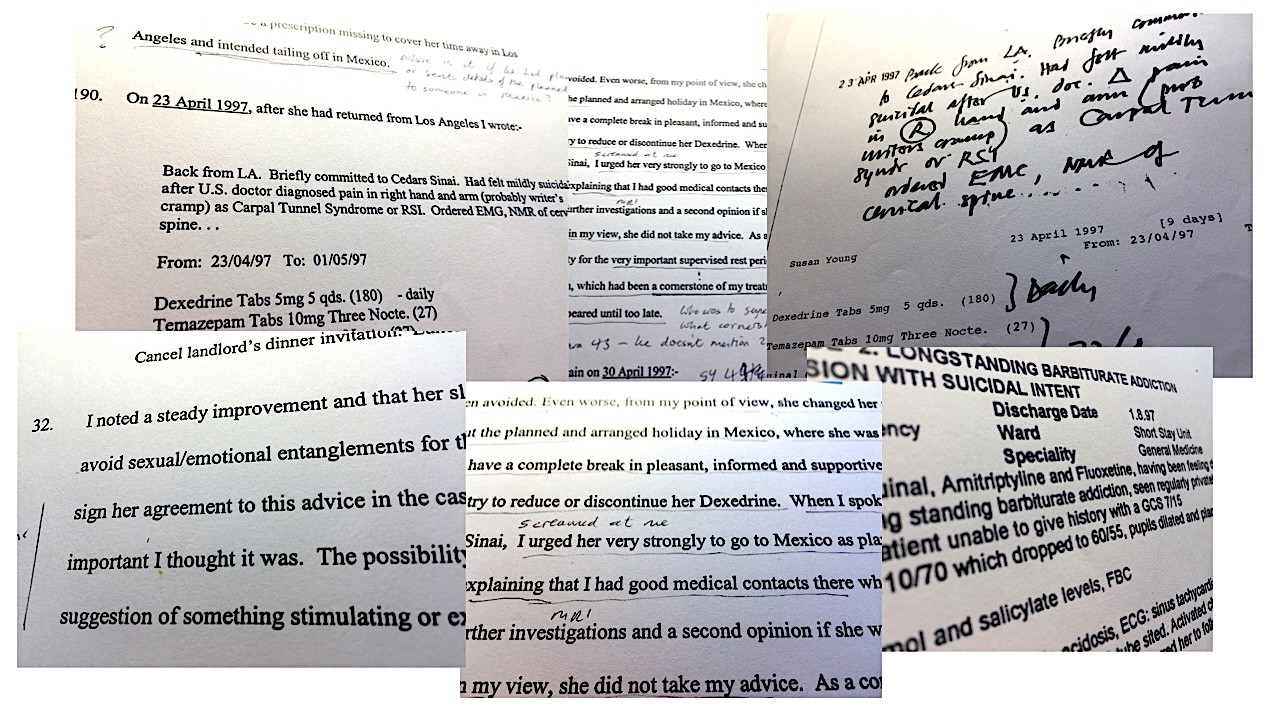
It Started with a Murder (2013) and The Betrayal (2015) are two films created at the outset of my PhD research, which all my findings flow from. Both use my medicolegal and psychiatric records as source material for the animation, and both explore how trauma can be processed (metabolised) through visuospatial activities; imagery rescripting (using animation to change the perceived meaning of events); and bearing witness through public screenings.
2015
•
The Betrayal - medicolegal and psychiatric records used as animation source material
What the research establishes
For Animators & Artists:
Positions autoethnographic animation as legitimate practice-based enquiry, demonstrating animation as method of investigation, not just representation.
For Mental Health Professionals:
Provides research-informed framework for therapeutic creative interventions.
For Universities & Educators:
Offers a comprehensive methodology for teaching autoethnographic practice across animation, visual arts, psychology, mental health, and trauma studies.
For Trauma Survivors:
Validates therapeutic potential of creative practice for processing psychological injury, grounded in both lived experience and academic rigour.
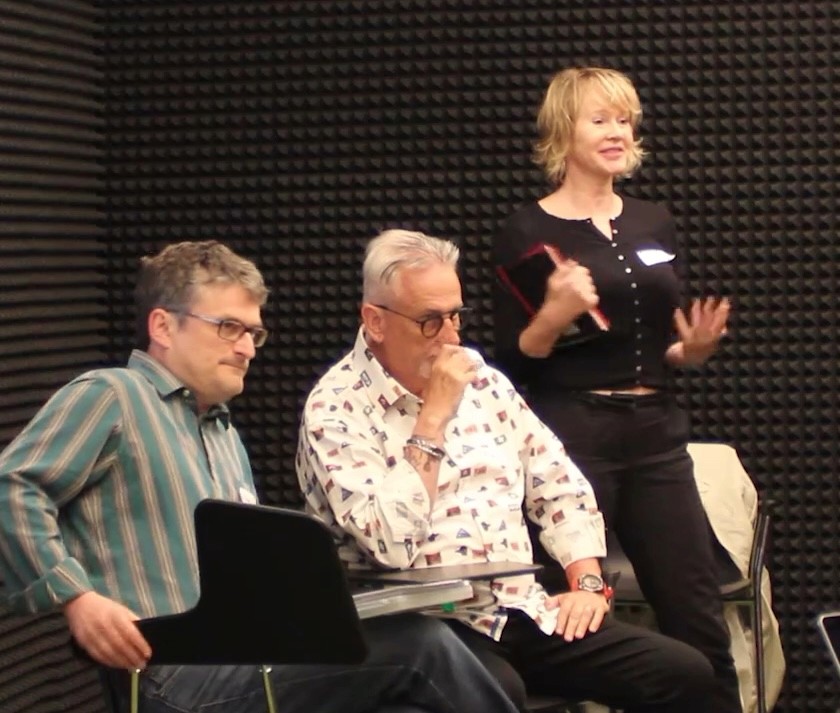
2019
•
Autoethnography symposium at the royal college of art
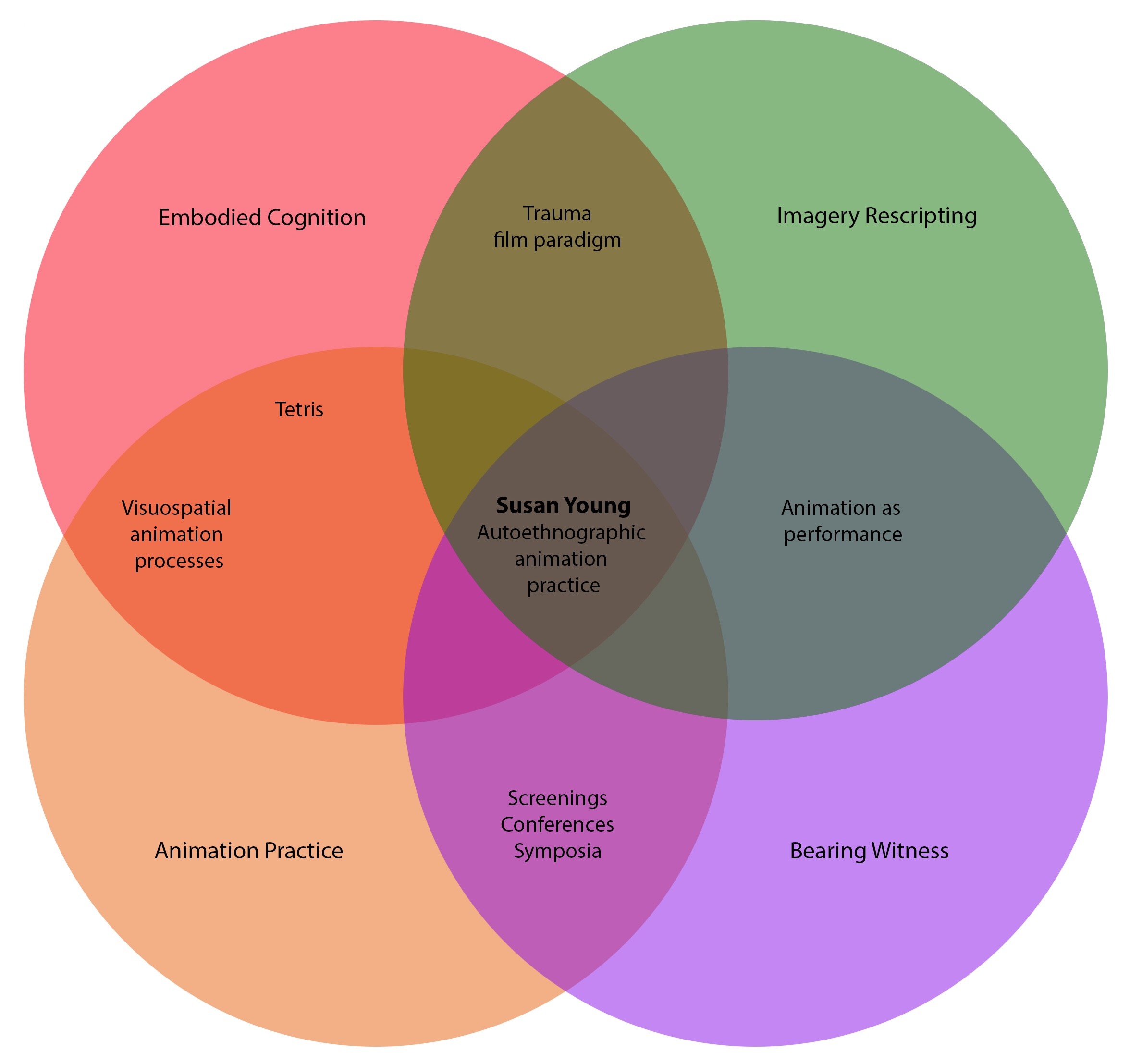
2023
•
overlapping themes position autoethnographic animation as method of inquiry
The research in brief
In my PhD Bearing Witness: Autoethnographic Animation and the Metabolism of Trauma, I use animation practice to process the sequelae of psychological trauma. Chronic trauma alters brain encoding, leading to intrusive memories and embodied symptoms such as nightmares, flashbacks, and emotional dysregulation. Many survivors use strategies such as substance misuse to psychologically cope with trauma, but as psychiatrist Bessel van der Kolk notes, "the body keeps the score," and if trauma is left untreated, its embodied symptoms will remain.
Mental imagery research demonstrates that trauma’s intrusive memories may be moderated by visuospatial processes such as Tetris gameplay, and the therapeutic technique of imagery rescripting. This study proposes that autoethnographic animation, which combines visuospatial processes with the potential for imagery rescripting, can similarly moderate intrusive memories and their accompanying symptoms.
To further investigate my proposal I interviewed scientists, clinicians, animators, trauma survivors, and an autoethnographer, and evaluated their responses using thematic analysis (Braun & Clarke), to determine how animation's visuospatial attributes, imagery rescripting potential, and capacity to bear witness, might ameliorate trauma symptoms.
Key Findings:
- Animation's visuospatial processes facilitate activities that may moderate intrusive memories
- Imagery rescripting through animation allows survivors to change the perceived meaning of traumatic events
- Autoethnographic animation provides a methodology for bearing witness to trauma whilst maintaining creative agency
- This research contributes new knowledge connecting animation, autoethnography, and cognitive science, fields rarely bridged in existing literature