About
Susan
I'm an animator, artist, and researcher exploring how animation can process psychological trauma. Grounded in lived experience and informed by rigorous study, my practice combines four decades of commercial and independent filmmaking with academic research on autoethnographic methodologies, which I disseminate through talks, masterclasses, exhibitions, and consultancy.
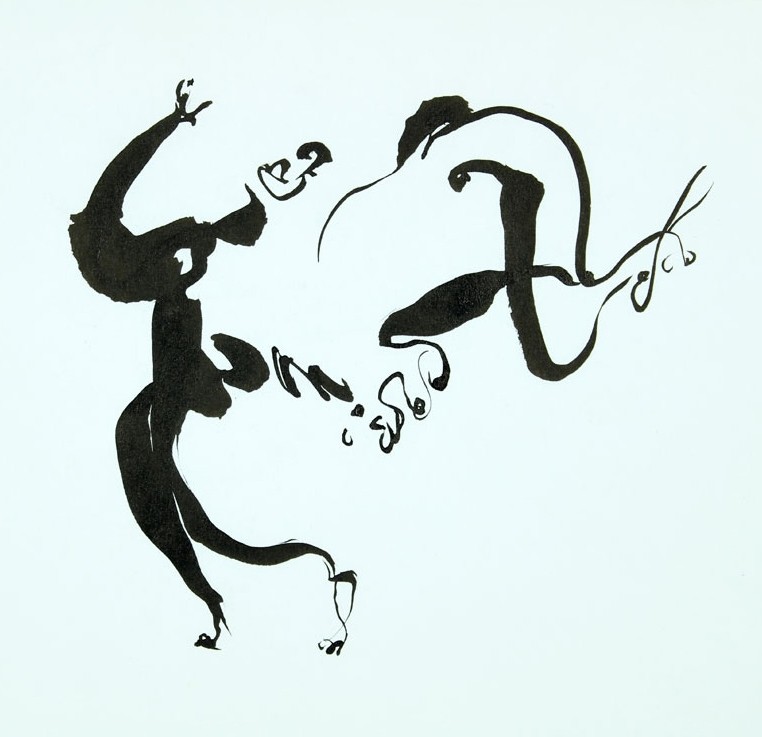
1985
•
Carnival
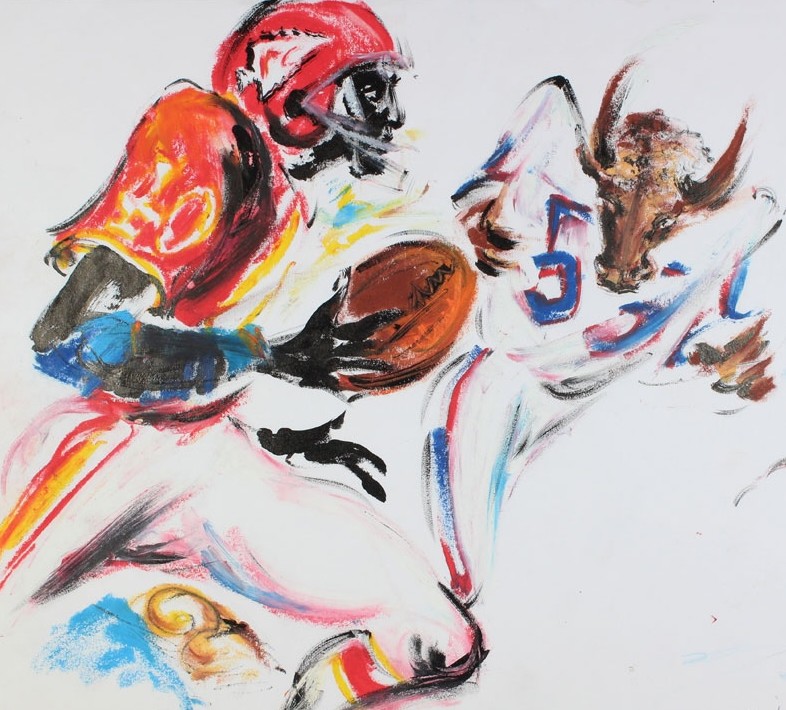
1994
•
American Football: The Big Match/Blitz
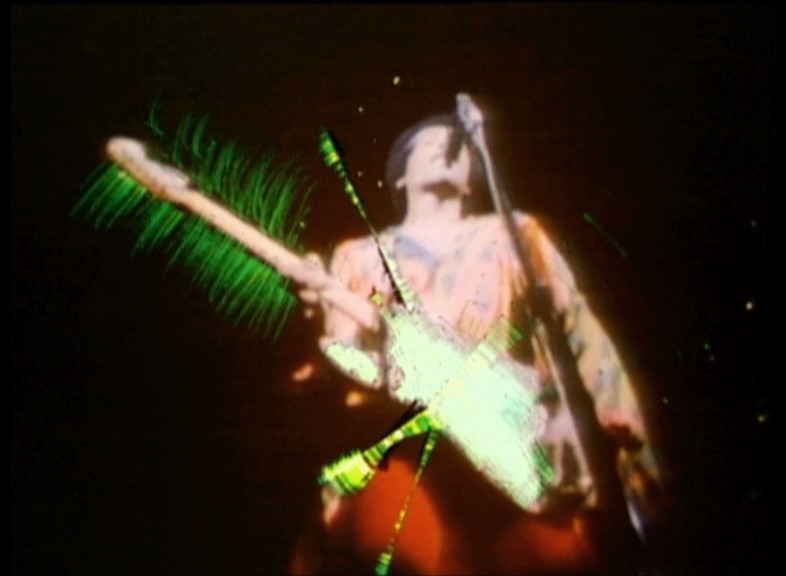
1992
•
Jimi Hendrix: Fire
The beginning: From student films to international commissions
At Liverpool Poly, inspired by legendary tutor Ray Fields, I discovered that animation could be a vehicle for personal expression and political commentary (Thin Blue Lines 1982). I then made Carnival (1985) at the RCA. This film’s unique animation style, which features the calligraphic lines and metamorphic movement that came to define my work, opened doors to international commissions.
In 1986 I was commissioned by the UN to direct The Doomsday Clock, a film about multilateral disarmament, and then spent a decade combining music and animation, collaborating with musician David Byrne (Beleza Tropical), producer Alan Douglas (Jimi Hendrix: Fire), and major record labels. I directed title sequences for classical music series and sporting events (my US Football commission earned a BAFTA nomination in 1995) and award-winning commercials for clients such as Levis (Gold Clio, 1997). My work has screened at Tate Britain, the Barbican, and galleries internationally.
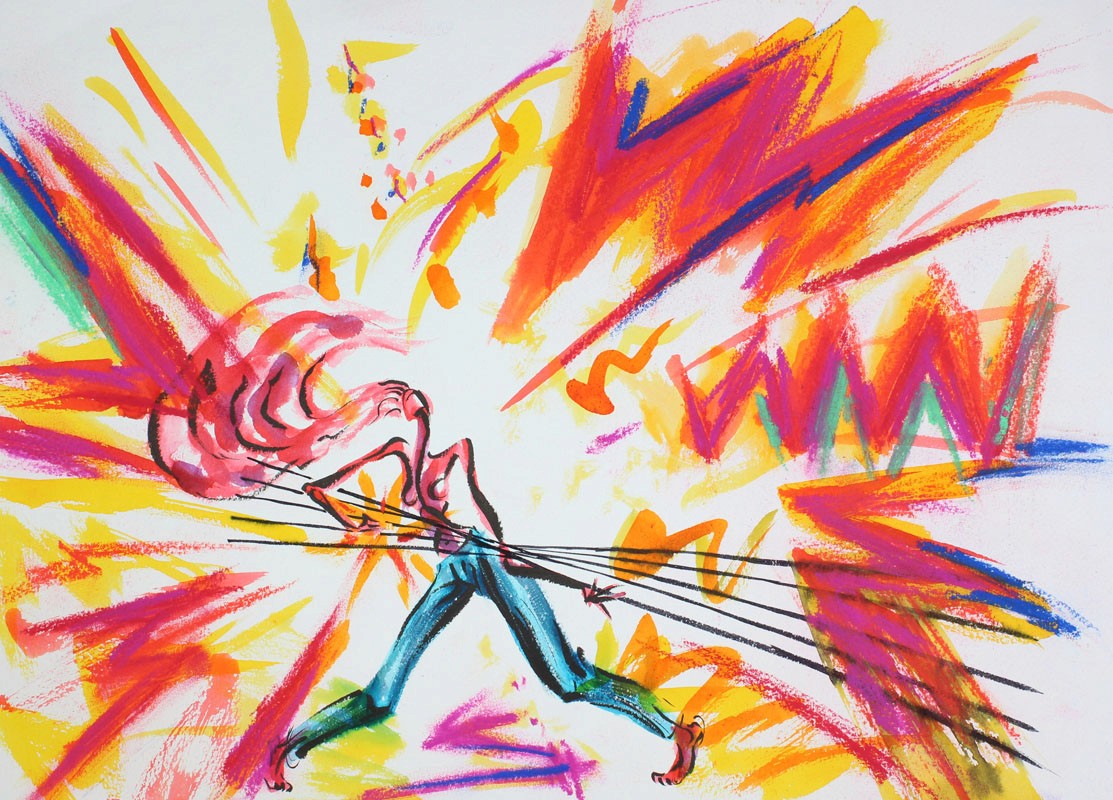
1996
•
Levis: Variations on a Theme
The turning point:
Trauma and research
In 1996, whilst making my Levis commercial, I was the victim of attempted murder by my husband, and as a result developed post-traumatic stress disorder (PTSD). In 1997 I then sustained an overwork-related hand injury whilst animating a Coca-Cola commercial, which ended my commercials career. These combined traumas precipitated a profound psychological crisis.
What followed was years of processing what had happened to me, both physically, and psychologically. For two decades I journeyed through the UK mental health system, experiencing further serious traumas within it, and I remained mentally very unwell.
So, I began using animation to work through my traumas and externalise what I couldn't articulate in words. This personal practice evolved into my formal research: could animation serve as a therapeutic intervention for psychological trauma?
In 2023 I completed my PhD at the Royal College of Art, exploring autoethnographic animation as a methodology for processing lived experience of trauma. My PhD, which establishes a framework others can use, is being developed into a book with Routledge (forthcoming 2027). My methodologies can be adapted by other trauma survivors, mental health professionals, and creative practitioners seeking new approaches to psychological healing.
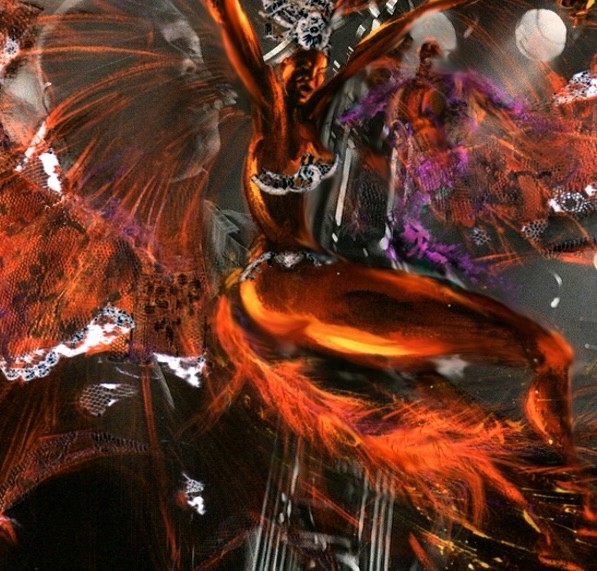
1997
•
Coca-Cola: World Dance

2015
•
The Betrayal (film made as part of my PhD)
What I do now
My work sits at the intersection of animation practice, academic research, and therapeutic applications. I offer talks and masterclasses to universities, mental health organisations, animation festivals, and cultural institutions, teaching how animation can be used as a tool for creative exploration and healing.
I remain available for select film commissions where deadlines are flexible and projects align with my research focus. My animation art continues to be exhibited in galleries, contextualised as trauma-informed creative expression.
Everything I do is rooted in one belief: that animation can help us process what language cannot fully capture. It's not therapy in the clinical sense, but it is therapeutic and it's a methodology I've lived, researched, and now teach.
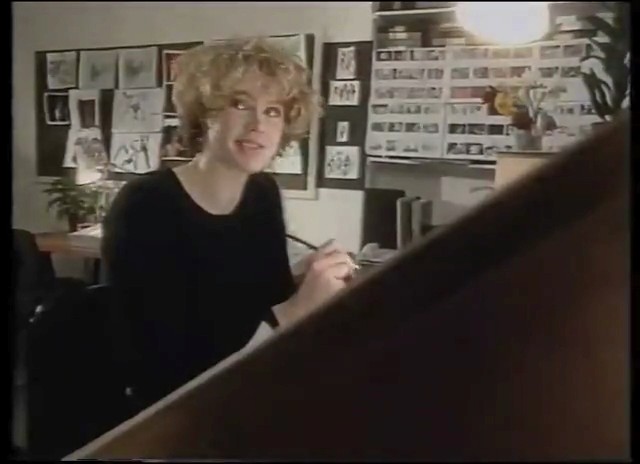
1989
•
Beleza Tropical documentary
In conversation: Beleza documentary
This behind-the-scenes documentary from 1989 shows me discussing my processes with David Byrne during the making of Beleza Tropical. It offers a glimpse into how I think about animation as a medium for personal expression.
Recognition and peer validation
Joanna Quinn, a two-time Oscar nominee, has called me "an animation rock 'n' roll legend."
Over four decades, my work has been recognised by BAFTA (nomination, 1995), the Clio Awards (Gold, 1997), and commissioned by institutions including the United Nations (1987). My research has been published in peer-reviewed journals, and I've exhibited at Tate Britain, the Barbican, and galleries internationally.
I hold a PhD from the Royal College of Art, and my forthcoming book with Routledge (2027) will be the first comprehensive text on autoethnographic animation for trauma processing.