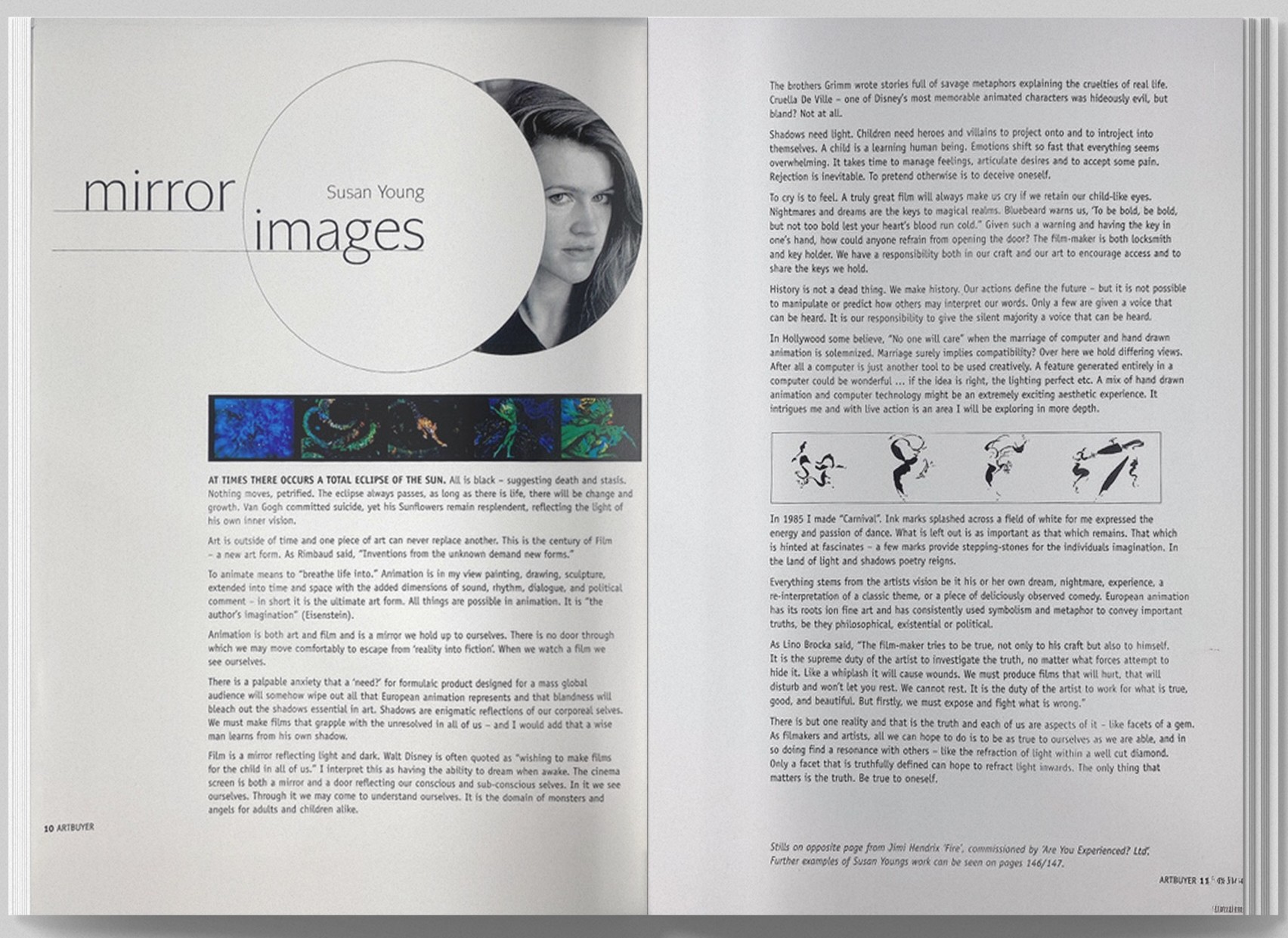
Mirror Images
hand injury
Ed Catmull
wax crayons
Coca Cola
career ending
animation and live action
Mirror Images: A Reflection
In 1998 I wrote Mirror Images, an article published in The Art Buyer (eds. Barry O’Dwyer and Paul Laing, Open Eye Publishing, 1998), in which I use metaphors of mirrors, gemstones, and doors and how these reflect, refract, and let light in, to explore what animation and creativity mean to me.
In 1997, whilst working on a commercial for Coca-Cola, I developed an overwork-related hand injury (task specific dystonia), which damaged the fine motor control in my drawing hand and stopped me being able to animate. Concerned at the consequent damage to my sense of self (which was bound up in my animator identity), I wrote Mirror Images, partly to give myself hope that I could find new forms of expression.
The article begins by referencing Van Gogh’s resplendent inner vision, and his suicide. I had attempted suicide myself in 1997 due to despair at my injury and other traumas, so in this article I wanted to emphasise that if life remains, so does hope, and the possibility for creative change and growth.
I describe film and animation as both mirrors, revealing our reflection to ourselves, and as doors to the world of the imagination. I insist that as filmmakers and animators, we have keys to these doors and the responsibility to open them.
I also challenge those who think no-one will care once “the marriage of computer and hand drawn animation is solemnized.” In November 1996 I had spoken with Pixar’s Ed Catmull at the London Effects and Animation conference after my presentation: “Wax Crayons and Paper.” During my presentation I had described all mark-making implements — from wax crayons to compositing machines — as tools there simply to service the artist’s imagination and what they want to say, and that it did not matter whether that tool was a wax crayon, or a high-end compositing machine. Ed had enthusiastically agreed.
In addition to expressing their imagination, filmmakers and animators have the opportunity and sometimes the responsibility to convey philosophical, existential, and political truths, and near the end of my article I quote Filipino film director Lino Broka’s position on this:
“The film maker tries to be true, not only to his craft but also to himself. It is the supreme duty of the artist to investigate the truth, no matter what forces attempt to hide it. Like a whiplash it will cause wounds. We must produce films that will hurt, that will disturb and won't let you rest. We cannot rest. It is the duty of the artist to work for what is true, good, and beautiful. But firstly, we must expose and fight what is wrong.”
1998-2026: PhD research, book, future films
In 1998 I had hoped to overcome my injury by making films that explored my truths and traumas without requiring me to create drawn animation (which I could no longer do due to my task specific dystonia). I had adapted a 35 mm Neilson-Hordell rostrum camera to allow me to combine animation with live-action in-camera and was investigating Discreet Logic’s Flame and Flint VFX/compositing products with a view to combining this material with animation created during post-production (as I had done during the Coca-Cola commercial). Ultimately my trauma experiences and hand injury proved overwhelming, and I was forced to close my studio. I did not create any new work until beginning my PhD, during which I made It Started with a Murder and The Betrayal, two autoethnographic films that use stop frame animation of real objects such as my own medicolegal documents to explore my attempted murder and subsequent psychiatric abuse.
As Broka demands in the quote above, both PhD films hurt and disturb and expose the truth. I am currently writing an autoethnography that expands on my trauma experiences, and after that, now my task specific dystonia has begun to abate, I am planning further films that that explore these traumas through a combination of drawn and stop-frame animation, and live-action. And as Catmull and I agreed in 1996, what matters within these films is not the technologies I will be using, but my artistic vision.
I end this reflection on Mirror Images with my last paragraph from the article:
“There is but one reality and that is the truth and each of us are aspects of it — like facets of a gem. As filmmakers and artists, all we can hope to do is to be as true to ourselves as we are able, and in so doing find a resonance with others — like the refraction of light in a well-cut diamond. Only a facet that is truthfully defined can hope to reflect light inwards. The only thing that matters is the truth. Be true to oneself.”
Related articles
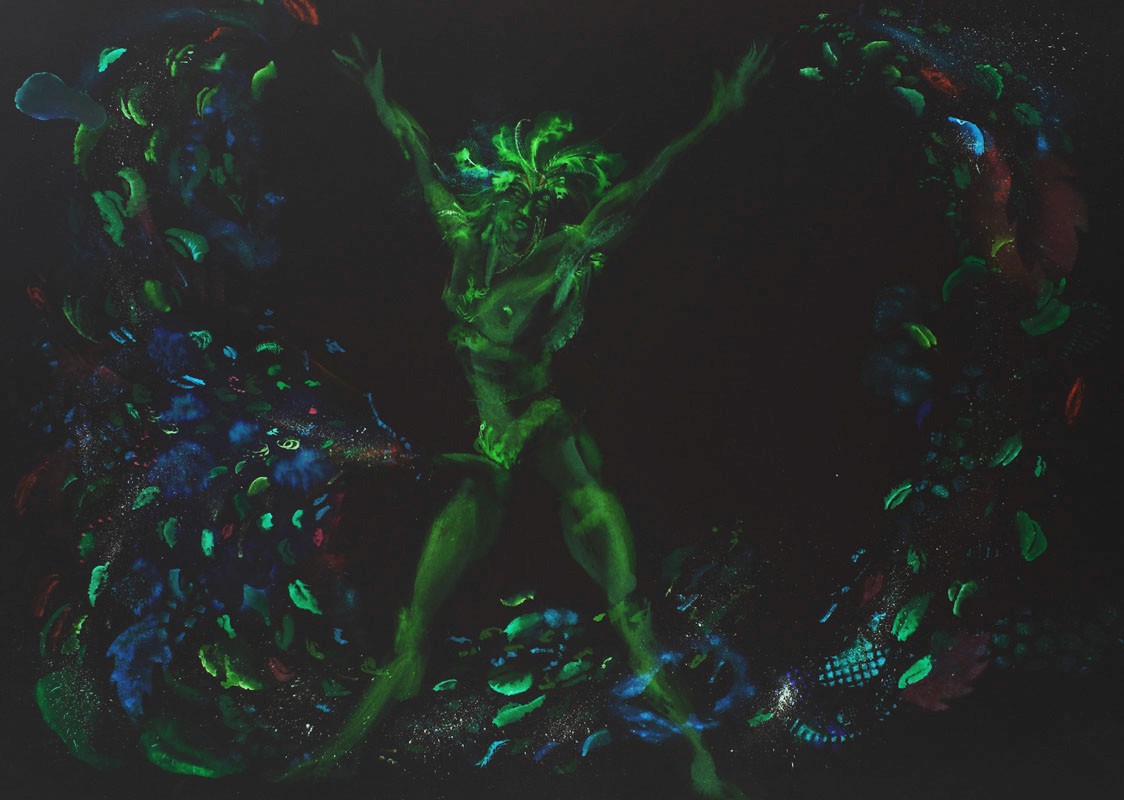
Reflections on Jimi Hendrix “Fire”
+ Read more
hand injury
Ed Catmull
wax crayons
Coca Cola
career ending
animation and live action
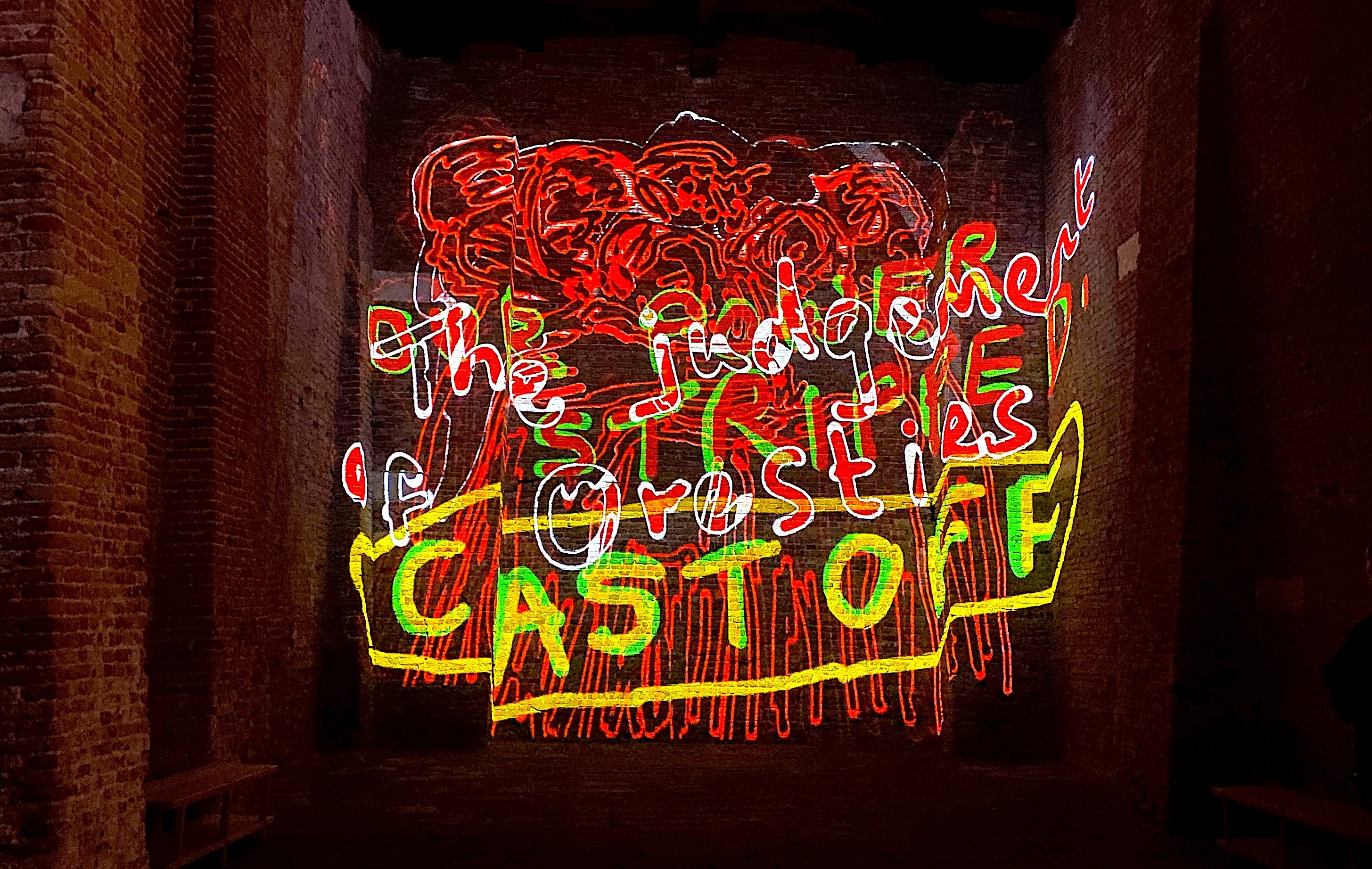
Animation at the Biennale
+ Read more
hand injury
Ed Catmull
wax crayons
Coca Cola
career ending
animation and live action
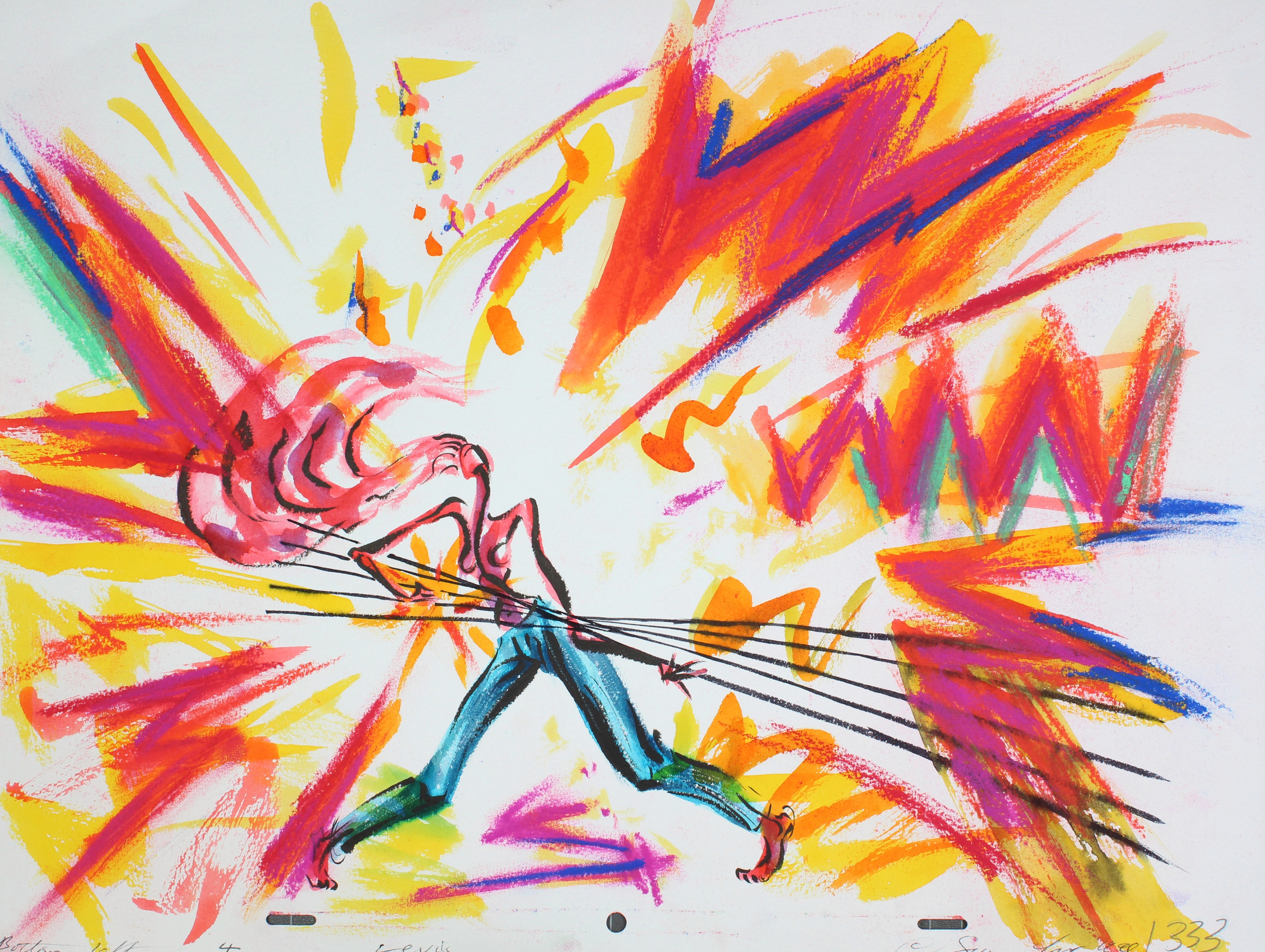
Attempted murder and Levis: Variations on a Theme
+ Read more
hand injury
Ed Catmull
wax crayons
Coca Cola
career ending
animation and live action